










Volkswagen is stepping up its push to make electric cars more affordable, announcing a major expansion of its battery partnership with Chinese battery manufacturer Gotion High-tech that will see LFP battery cells produced in Europe on a much larger scale. Volkswagen Group, battery subsidiary PowerCo and Gotion plan to establish three joint ventures covering battery production and materials at sites in Spain, Slovakia and Morocco. The move is particularly significant because of the battery chemistry involved. Lithium iron phosphate, better known as LFP, batteries are generally cheaper to produce than the nickel-rich batteries traditionally fitted to many European electric cars. They also offer excellent durability and robustness, making them particularly attractive for more affordable, high-volume EVs where outright driving range and performance are not necessarily the overriding priorities.
Volkswagen believes demand for the technology is about to grow dramatically. LFP currently represents around 10 per cent of the European battery market, but forecasts suggest that figure could reach between 40 and 60 per cent by 2030. Europe currently has very little meaningful domestic LFP cell production capacity. At the centre of Volkswagen’s plans is PowerCo’s new battery gigafactory in Valencia, Spain. The facility is set to become a major European production hub for Volkswagen’s Unified Cell technology using LFP chemistry. PowerCo will retain a 51 per cent controlling interest, while Gotion will take the remaining 49 per cent. A second joint venture will involve Gotion’s battery plant at Šurany in Slovakia, producing LFP cells for both electric vehicles and energy storage systems. Gotion will retain a 51 per cent stake in that operation.
The third element takes the partnership outside Europe to Kenitra in Morocco, where a new facility is planned to manufacture the cathode material required for LFP batteries. Volkswagen says this should diversify its sources for critical battery materials and improve security of supply. There is serious money involved. PowerCo is expected to contribute around €470 million towards acquiring its 49 per cent interests in the Slovakia and Morocco operations by 2030, while Gotion is expected to invest approximately €1.1 billion for its 49 per cent share of Valencia. The bigger story, however, is what this could mean for future Volkswagen Group electric cars.
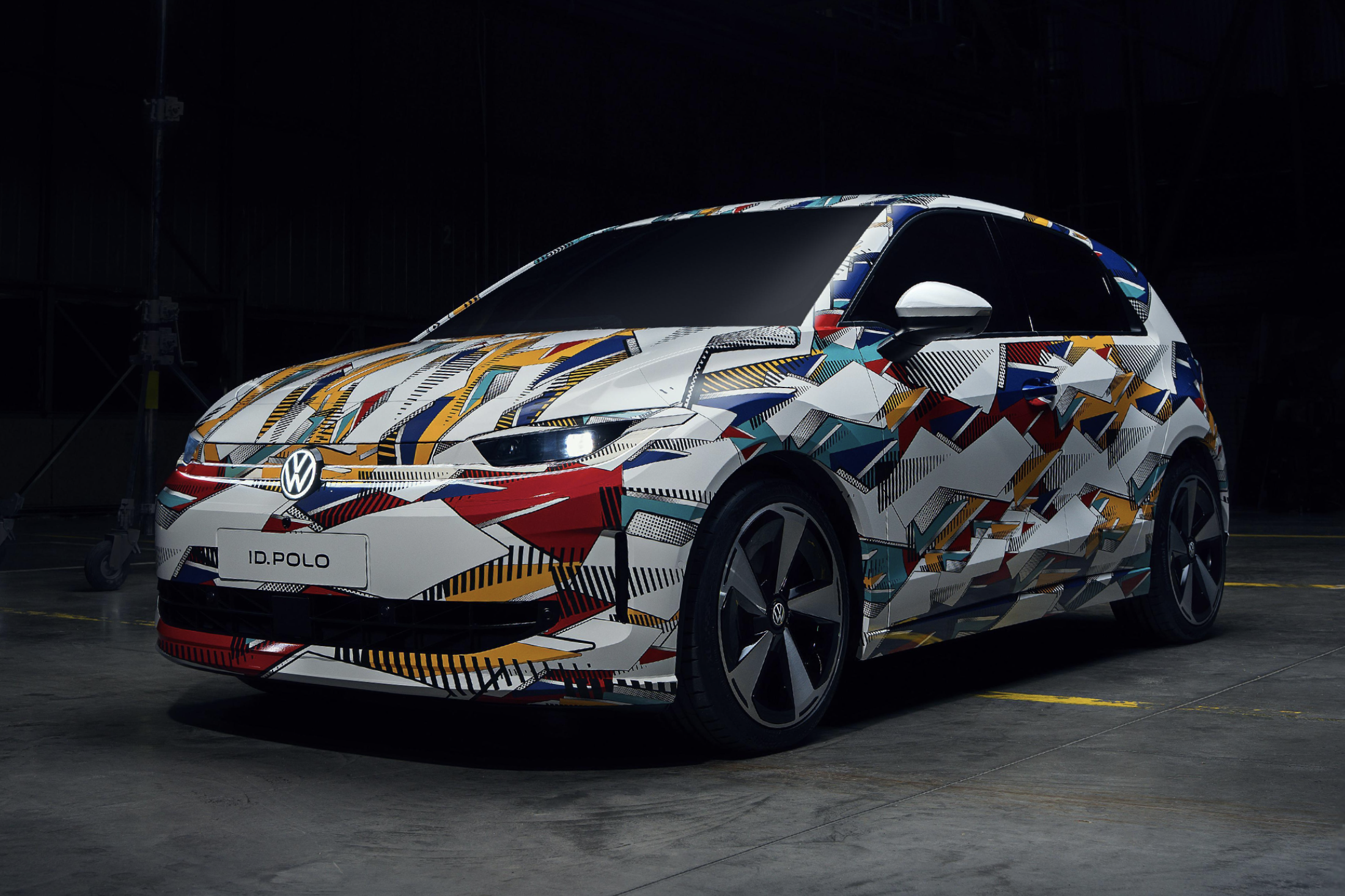
LFP technology has already played an important role in reducing EV prices in China. Establishing large-scale production closer to Volkswagen’s European factories could help the Group reduce battery costs, shorten its supply chain and ultimately make the technology increasingly viable in more affordable electric cars. With Volkswagen preparing a new generation of lower-priced EVs, including models positioned below today’s ID.3, bringing battery costs under control is becoming increasingly important. The days when LFP was viewed simply as the cheaper alternative to more sophisticated battery chemistries appear to be disappearing. If Volkswagen’s prediction for European adoption proves correct, LFP could soon become one of the technologies underpinning the next generation of mainstream electric cars.