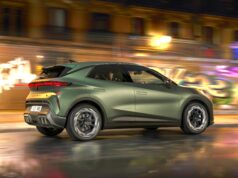


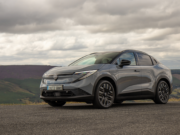
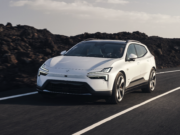

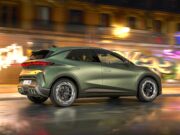










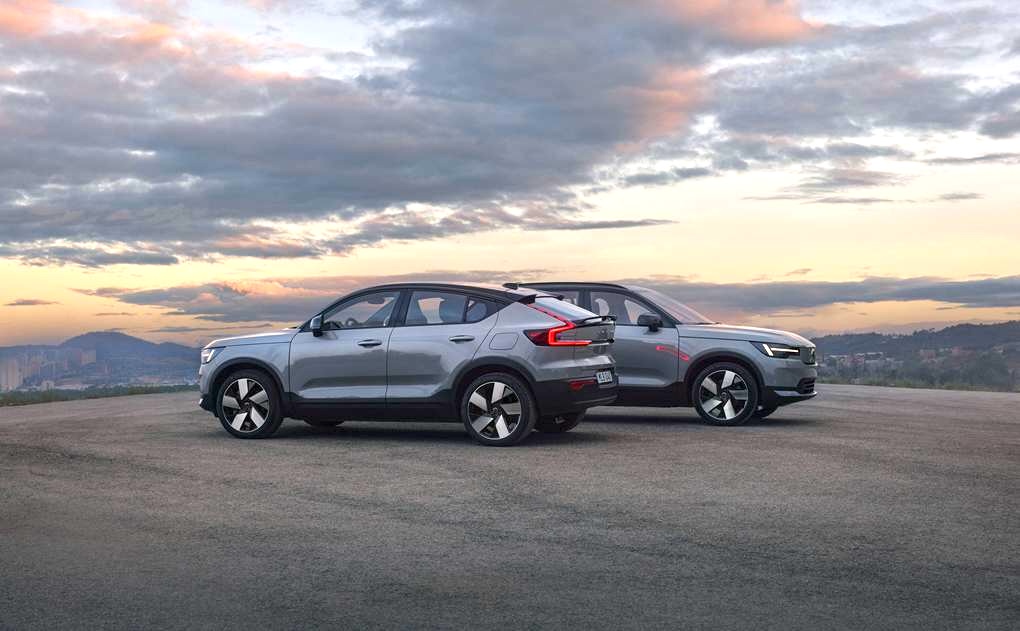
Volvo has given its popular 40 series models a substantial update, bringing a sharper exterior design, a larger infotainment display and a significantly upgraded suite of safety technology. The changes apply to the electric EX40 and EC40 and are designed to keep two of Volvo’s established models competitive alongside the newer generation of EVs now joining the Swedish manufacturer’s range. Irish customers won’t have long to wait either, with order books for the refreshed models, including the Black Edition variants, set to open next week ahead of production getting underway later this autumn.
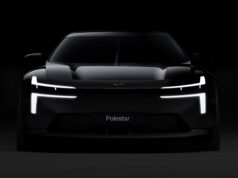
The biggest visual changes can be found at the front, where Volvo has reworked much of the bodywork to give the cars a cleaner and more contemporary appearance. New Matrix LED headlights introduce a fresh interpretation of the familiar Thor’s Hammer lighting signature, while the grille, front bumper, bonnet and front wings have all been redesigned. The intention has been to modernise the 40 series without moving too far away from the restrained Scandinavian styling that has become a hallmark of Volvo’s current range. Around the back, the EX40 receives new LED rear lights, a revised tailgate and redesigned bumper, while the coupé-like EC40 largely retains its existing rear-end appearance.
According to Akhil Krishnan, Interim Lead for Volvo’s 30 and 40 series, the changes are intended to build on the success the models have already enjoyed. “By enhancing the design, technology and safety features of our 40 series cars, we’ve created the best versions of our 40 series yet,” he said. “These already popular models are now set to continue being among our best-selling cars for years to come.” It’s an important update for Volvo, particularly as the company continues expanding its electric range while keeping familiar models fresh for buyers who may not necessarily want to move into one of its newer offerings.
There are equally significant changes once you climb aboard. Taking centre stage is a new 11.2-inch infotainment display that is both larger and sharper than before and introduces Volvo’s latest user interface. The revised system has been designed to reduce the number of screen taps required to reach commonly used functions, something that should make a noticeable difference during everyday driving. Wireless phone charging has also been updated, while Volvo has introduced new upholstery and trim choices alongside revised cabin lighting. Black Ash and aluminium decorative finishes will also be available, giving buyers greater scope to change the character of the interior.
Artificial intelligence is becoming an increasingly prominent part of the modern car and Volvo is embracing it with the introduction of Google Gemini. The next-generation Google AI assistant allows occupants to interact with the car using more natural conversational language rather than relying on rigid voice commands. Drivers can use it to help plan journeys, search for suitable places to stop or deal with messages while travelling. The technology is intended to reduce the need to interact physically with the touchscreen while driving, while the 40 series retains the practical storage solutions and flexible cabin layout that have helped make these models popular family cars.
Volvo has also used the update to substantially improve the electronic eyes and ears surrounding the car. A new software and sensor platform incorporates front and corner radar units, a new forward-facing camera, additional rear corner radars, 12 new ultrasonic sensors and upgraded parking cameras. Together they provide the vehicle with a more detailed picture of what is happening around it. The system can identify developing hazards and either warn the driver or intervene when necessary, including through automatic emergency braking and emergency steering assistance where the car determines that action is required to avoid or lessen the severity of a collision.
The additional hardware also allows Volvo to introduce several new or improved driver assistance features. Door Opening Alert can warn occupants if a cyclist or other road user is approaching before a door is opened into their path, while the optional Pilot Assist system gains lane-change assistance and has been refined to follow the road more naturally. Buyers choosing the optional 360-degree camera will now also benefit from a three-dimensional view of the car’s surroundings, making tight parking spaces and low-speed manoeuvring easier to negotiate.
Underneath the updates, the EX40 and EC40 remain important parts of Volvo’s move towards an increasingly electrified model range. The EX40 can offer up to 575 kilometres of driving range on a single charge, while the more aerodynamically shaped EC40 stretches that figure slightly further to a claimed 584 kilometres, depending on specification. Both cars also support over-the-air software updates, allowing Volvo to introduce improvements and additional functionality during the ownership period without requiring the vehicle to visit a dealership.
With competition in the electric SUV market continuing to intensify, Volvo’s approach has been to improve the areas customers interact with most rather than completely reinvent two already established models. The fresher styling, improved infotainment system, Google Gemini integration and expanded safety technology should help keep the EX40 and EC40 relevant as Volvo’s newer generation of electric cars arrives around them. Irish order books for the updated 40 series will open next week, with production scheduled to begin later this autumn.