

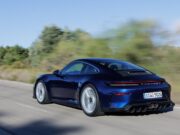







Porsche has reported a 16 per cent decline in global vehicle deliveries during the first nine months of 2026, with 178,532 cars handed over to customers compared with 212,509 during the same period last year. The German sports car manufacturer continues to face challenging market conditions across several key regions, although demand for its iconic 911 remains particularly strong. Porsche says it is maintaining its strategy of prioritising profitability and exclusivity over outright sales volumes, with customers increasingly opting for higher-performance and more expensive versions of its vehicles. This trend has been particularly noticeable across the 911 range, where GTS, Turbo and GT derivatives continue to account for a significant proportion of sales.
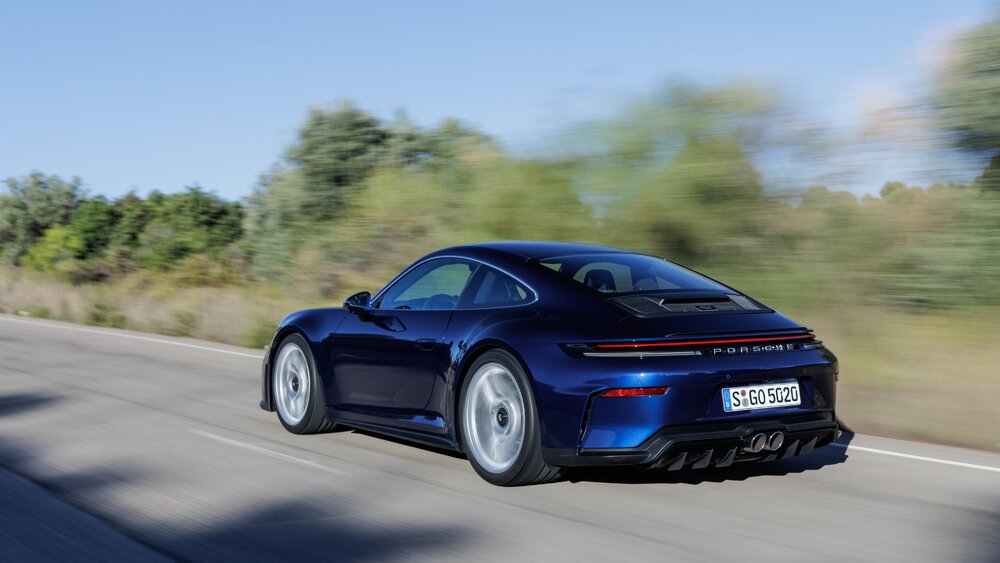
The Cayenne remains Porsche’s best-selling model worldwide, with 59,586 deliveries during the nine-month period, representing a relatively modest decline of two per cent. Interestingly, the newly introduced all-electric Cayenne has already accounted for 7,002 deliveries since arriving on the market during the summer. The Macan followed with 51,025 units, down 21 per cent, including 23,029 examples of the fully electric version. Production of the combustion-engined Macan ended during the summer, contributing to changes in the manufacturer’s sales mix. Meanwhile, the 911 enjoyed a particularly successful period, with deliveries increasing by 12 per cent to 42,217 cars, underlining the continued popularity of Porsche’s most recognisable sports car.
Elsewhere in the range, sales were considerably more challenging. Deliveries of the Panamera fell by 35 per cent to 13,714 units, while the electric Taycan recorded 8,699 deliveries, representing a decline of 31 per cent. The outgoing 718 Boxster and Cayman models accounted for just 3,291 deliveries, down 79 per cent following the end of production in October 2025. Porsche says these production changes, alongside the transition towards newer electric models, have affected availability across several markets. Nevertheless, the company continues to report healthy demand for its most exclusive and performance-focused derivatives, suggesting that customers remain willing to pay a premium for the brand’s more desirable models.
North America remains Porsche’s largest individual sales region, with 56,088 deliveries, although this represents a decline of 13 per cent compared with 2025. European deliveries outside Germany reached 44,949 vehicles, down 11 per cent, while the domestic German market recorded 20,954 sales, a reduction of seven per cent. The most significant difficulties continue to be experienced in China, where deliveries fell by 33 per cent to 21,493 vehicles. Porsche attributes the decline to challenging market conditions and says it has no intention of chasing sales volumes at the expense of its premium positioning. Overseas and emerging markets also experienced a reduction, with deliveries falling 19 per cent to 35,048 units.
Matthias Becker, Porsche’s Executive Board Member for Sales and Marketing, said the strong demand for high-performance derivatives demonstrates the enduring appeal of the brand, particularly among customers seeking more exclusive vehicles. Looking ahead, Porsche intends to continue developing its sports car range while expanding personalisation options and maintaining a carefully managed balance between production and customer demand. Although overall deliveries are down considerably, the continued success of the 911 and the early contribution from the electric Cayenne provide some encouragement as Porsche navigates an increasingly competitive global market.