



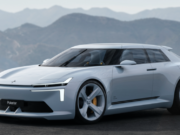












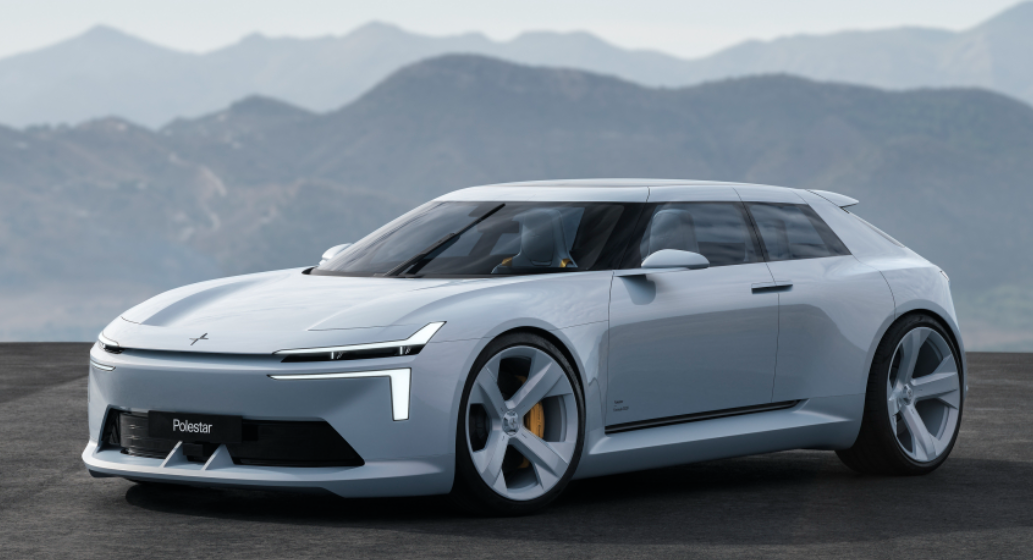
Polestar has revealed its new Formula 2030 concept car, offering a first look at the Swedish electric performance brand’s future design direction. Developed under the leadership of Head of Design Philipp Römers, the striking four door concept combines sports car proportions, advanced technology and sustainable materials, while introducing several design features expected to influence upcoming production models, including the next generation Polestar 2. Measuring 4,680mm long and 2,021mm wide, with a wheelbase of 2,780mm, the Formula 2030 sits just 1,350mm high, making it even lower than the Polestar 5 Grand Tourer. Its wide stance, long bonnet, muscular rear haunches and large 22 inch wheels give it a distinctly sporting appearance, while the compact proportions suggest a practical performance car rather than a traditional luxury saloon. The design also draws inspiration from the recently introduced Polestar 4, particularly in its approach to combining interior space with a low roofline.
The front introduces an evolution of Polestar’s distinctive Dual Blade headlights, integrated into an aerodynamic front wing above a pronounced splitter. This treatment is expected to influence the appearance of the next Polestar 2, planned for 2027. A single centrally mounted windscreen wiper adds a motorsport influence, while a concealed LiDAR sensor emerges when the vehicle’s autonomous driving functions are activated. At the rear, Polestar has replaced its familiar full width light bar with a new Single Blade lighting arrangement, creating a fresh visual identity for future models. Inside, the Formula 2030 places considerable emphasis on the driving experience. A curved 20 inch driver information display is mounted directly to the steering column, while a separate 12.2 inch central touchscreen is integrated into the centre console. Four individual seats feature inflatable cushions and bolsters designed to adapt to occupants, providing additional support during more enthusiastic driving.
One of the more interesting developments is the way the interior changes according to the selected driving mode. In Performance mode, the steering wheel and driver display move closer to the driver, while the central screen lowers into the dashboard. Selecting Autonomous mode reverses this arrangement, creating a more relaxed environment as the vehicle assumes greater control. Polestar has also recognised the importance of physical controls, introducing eight customisable switches and rotary controllers beneath the touchscreen. Google Gemini is integrated into the infotainment system, providing conversational voice assistance for occupants. Sustainability remains central to the concept’s development. The interior incorporates recycled and renewable materials, including seat backs manufactured using European flax and plant based polypropylene. Selected structural components use steel produced with recycled materials and renewable energy, while the doors have been designed around improved recyclability. The exterior features a new Nitrogen colour, combining gloss, matte and satin finishes, complemented by Polestar’s signature Swedish Gold detailing on the Brembo brake calipers, seatbelts and interior trim.
Philipp Römers, Head of Design at Polestar, explained that the concept represents an evolution of the company’s established design philosophy, with performance remaining central to its identity. The Formula 2030 is intended to demonstrate how Polestar’s design, technology and sustainability priorities will influence its next generation of electric vehicles. Although the Formula 2030 remains a design study rather than a confirmed production model, it provides an interesting indication of where Polestar is heading. With a renewed focus on driver engagement, physical controls and distinctive styling, the concept suggests the brand intends to place greater emphasis on its performance credentials as its electric vehicle range continues to expand.