


Porsche reported global deliveries of 279,449 vehicles in 2025, marking a 10 per cent decline compared with 310,718 units in 2024. The company says the result was in line with expectations and reflects a deliberate focus on value over volume, alongside supply constraints and challenging conditions in key markets. Porsche continues to prioritise a balanced and value-oriented model mix rather than pursuing outright sales growth.
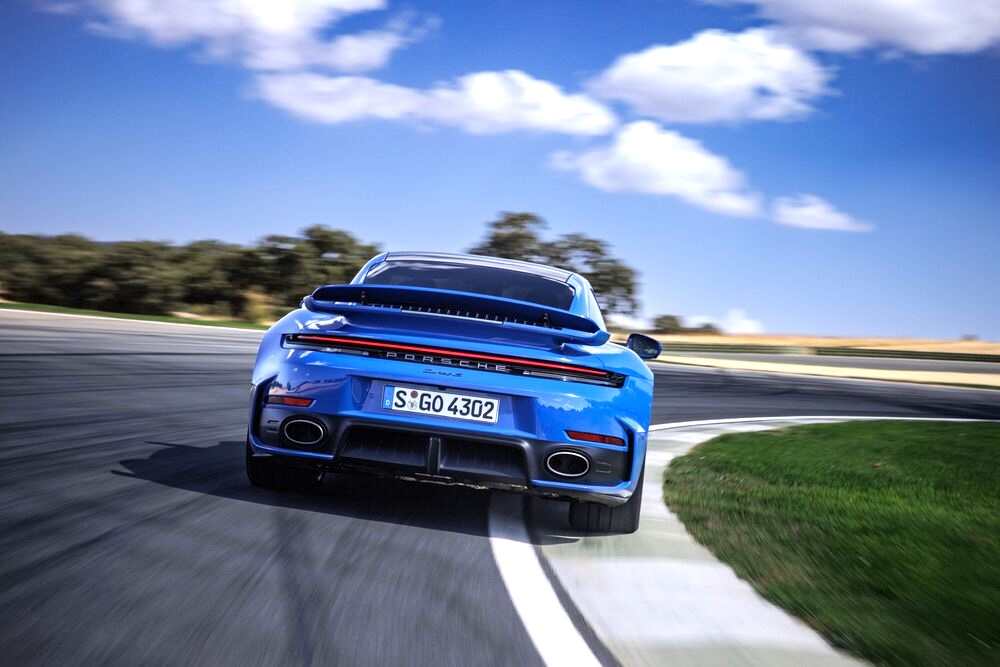
According to Matthias Becker, Member of the Executive Board for Sales and Marketing, the decrease was driven by several factors. These included supply gaps affecting the combustion-engined 718 and Macan due to regulatory changes, weaker demand for high-end luxury vehicles in China, and Porsche’s disciplined approach to supply management. Despite the overall drop, Becker highlighted strong customer response to new and updated models, including the 911 Turbo S with its T-Hybrid technology and the late-2025 launch of the fully electric Cayenne.
The Macan was once again Porsche’s best-selling model line, with 84,328 deliveries worldwide. North America remained the brand’s largest sales region, recording 86,229 deliveries, broadly in line with the previous year. Europe, excluding Germany, saw deliveries fall by 13 per cent to 66,340 units, while the German home market declined by 16 per cent to 29,968 vehicles. In both cases, limited availability of certain combustion-engined models played a significant role. China experienced the sharpest decline, with deliveries falling 26 per cent to 41,938 units. Porsche cited challenging conditions in the Chinese luxury car market and intense competition, particularly in the electric vehicle segment. As in other regions, the company continues to focus on maintaining margins and brand value rather than chasing volume.
Electrification played an increasingly important role in Porsche’s global performance. In 2025, 34.4 per cent of all vehicles delivered worldwide were electrified, up 7.4 percentage points year on year. Fully electric models accounted for 22.2 per cent of deliveries, with plug-in hybrids making up a further 12.1 per cent. This placed Porsche at the upper end of its stated target range for fully electric vehicles in 2025. In Europe, electrified models represented nearly 58 per cent of deliveries, with fully electric cars accounting for roughly one in three vehicles sold. Plug-in hybrid versions of the Panamera and Cayenne proved particularly popular in the region.
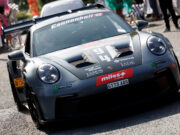
Among individual models, the Macan saw a two per cent increase in deliveries, with fully electric versions accounting for more than half of global sales. The 911 recorded a new delivery record with 51,583 units, underlining the continued appeal of Porsche’s core sports car, including combustion and hybrid variants. Panamera deliveries declined slightly, while the 718 Boxster and Cayman saw a sharper fall as the model line was phased out, with production ending in October 2025.
The Taycan experienced a 22 per cent drop in deliveries, reflecting slower momentum in electric vehicle adoption, while Cayenne deliveries fell by 21 per cent following strong catch-up demand in the previous year. Looking ahead to 2026, Porsche says it will continue to align supply with demand under its value-over-volume strategy, while investing further in combustion, hybrid and electric powertrains and expanding its customisation offerings through Exclusive Manufaktur and Sonderwunsch.