


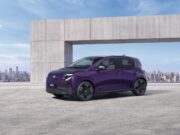




For much of the past few years the Fiat 500 has sadly been a rare sight on Irish roads. Fiat phased out petrol-only versions across Europe from 2020 to 2023, pushing the city car into the electric era. While the EV suited its compact proportions, many buyers weren’t ready to switch and still wanted choice. As sales softened, Fiat has finally responded by reintroducing combustion with a hint of mild hybrid assistance to bring back familiarity with lower running costs. Armed with this knowledge we returned to Turin to drive the new 500 Hybrid and find out whether the blend of heritage and modern tech can restore the little Fiat’s everyday appeal.
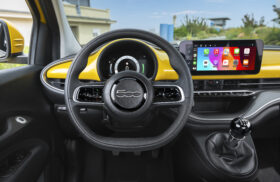
As expected, there is nostalgia in the production story! The 500 Hybrid is being built at Mirafiori, the factory complex synonymous with the brand and the original Cinquecento. Left-hand-drive production started in November and Fiat expects right-hand-drive to follow from the second quarter of 2026, with output ramping up substantially thereafter. The decision to build the 500 here anchors the new Hybrid to its birthplace and underlines how important the car remains to Fiat’s identity.
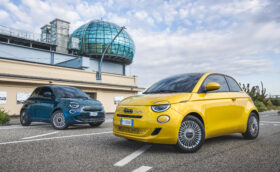
Under those cute panels, the engineering is straightforward and sensible. Fiat has reworked the platform that was designed around electric propulsion to accommodate a 1.0-litre three-cylinder FireFly petrol engine paired with a 12-volt mild-hybrid system. The hybrid side comprises of a belt-integrated starter-generator and a compact lithium battery to support stop-start, smooth restarts and a little extra assistance at low revs. Total output is 65hp, channelled through a six-speed manual. It cannot drive on electric power alone, but the mild-hybrid hardware cuts idle time, helps the engine feel a touch more eager in the lower gears and promises small but useful efficiency gains in the urban commute that the 500 is built for.
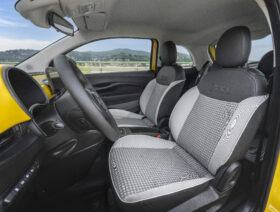
Our route from Fiat HQ took in the kind of city streets the car will live on. The familiar thrum of a three-pot engine fills the cabin as it gathers pace, and there is a pleasing lightness to the way the 500 changes direction. It feels happier and more at home than the bigger Panda that uses the same engine, no doubt helped by less weight and shorter overhangs. The ride is honest. On rough roads you aim around the potholes to protect the little 16-inch wheels, but on smoother surfaces the car relaxes and settles with decent steering feel. The manual gearbox suits its character, encouraging you to keep the engine in its sweet spot and make use of the 92Nm of torque by keeping the revs up!
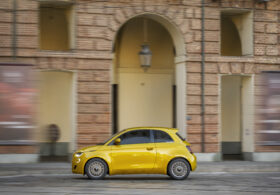
Space remains the classic 500 compromise. Two tall adults fit comfortably in the front with generous head and shoulder room, and visibility is helped by the upright glasshouse style. The rear bench is best for children or short hops with adults that have legs akin to a chicken, which will surprise no one! Storage is spread out sensibly around the cabin and the materials used feel more robust than flimsy, which is no doubt why they are so popular in the ‘hire drive’ market. In short, it still plays the role of stylish city tool but with a touch more maturity than the fashion-led versions of a decade ago.
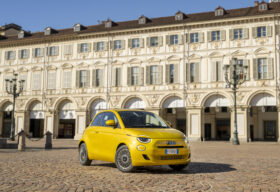
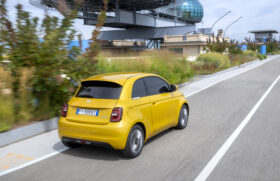
Fiat added in a short history lesson into the programme for us and it offered further context to the day. We stopped at Lingotto, the extraordinary five-storey factory that opened in 1923, where cars climbed floor by floor on a linear assembly line and were tested on the rooftop track. The plant closed in 1982 and later became a mixed-use complex under Renzo Piano, but the preserved test loop still tugs at the imagination, especially if you remember ‘The Italian Job’s’ rooftop chase scene. It is impossible not to feel the lineage that ties that building, Mirafiori and this modern hybrid together.
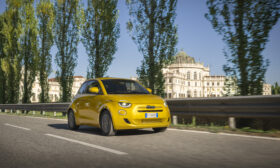
Back on the road the 500 continued to show its strengths. At motorway pace the sixth gear drops the engine speed enough to make longer stints realistic, and the mild-hybrid assistance of stop-start in traffic keeps the drivetrain from feeling coarse. It is never quick, yet the 500 does not need to be! The charm is in the way it darts through gaps, fits on tight streets and makes short work of parking. The hybrid assistance and manual gearbox used in the right way will offer frugal motoring with our test vehicle showing fuel usage of just 5.3 L/100 km which equates to roughly 53-60 mpg in old money.
Fiat will offer the car in hatchback and cabrio forms with a simple trim walk that reflects different personalities. Pop is the entry level, honest and functional with the essentials you need and the design you expect. Icon adds in more comfort and connectivity to create the sweet-spot city car many will choose, whilst La Prima sits at the top with the most generous equipment and a little Italian flourish in the finishes. To launch the range Fiat is also building a Torino edition that pays tribute to the brand’s home city and the Mirafiori renaissance, complete with unique badging, dedicated upholstery and 16-inch alloys.
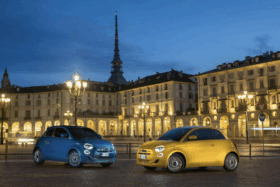
What matters for Ireland is timing and pricing. Right-hand-drive cars are due in the latter half of 2026 and pricing will be confirmed closer to launch. If Fiat Ireland can keep the numbers competitive, the 500 Hybrid could feel like the right car at the right moment! It’s familiar, fashionable and simple to live with, yet now available in hybrid and electric. After a drive that took in factory floors, city lanes and a slice of Turin’s industrial history, the conclusion is straightforward. The 500 has always been a vehicle that car people love but with its spark back, this version kind of suits the way most Irish people actually drive.